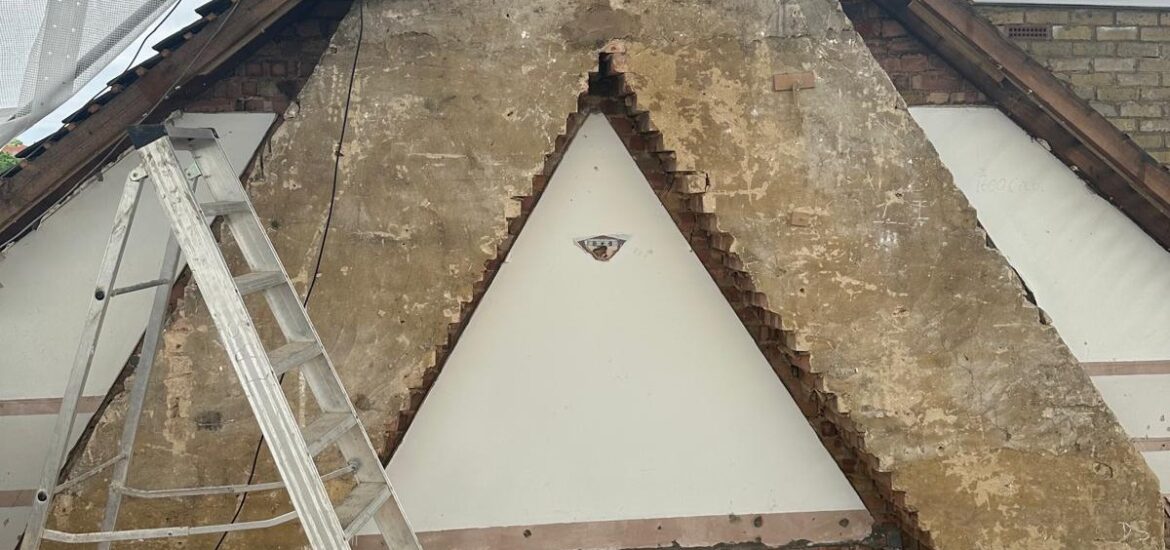
Chimney Breast Removal Totteridge

10 tips when converting your loft in Hertfordshire

Congratulations on making the decision to embark upon a loft conversion in Hertfordshire. A project such as this requires careful planning to ensure the build goes without a hitch and your new structure stands the test of time. Investing in a loft conversions not only adds value to your property but also creates a tailored space that fits into your life.

Before delving into the construction side of a loft conversion build it is important to understand the essential steps that will set the tone for your loft conversion project. Planning permission, the right professionals, and strategic layout decisions play critical roles in the success of your project.

Careful budget planning, compliance with local building regulations, and a focus on good quality materials will impact to the longevity and visual appeal of your loft conversion too. Also remember the importance of a well-designed staircase. As you embark on this journey, keep future needs in mind to ensure your loft conversion stands as a testament to comfort, style, and practicality. Let’s explore the top ten tips that will guide you through this exciting process.

  1. Planning permission

First check whether planning permission is required. Some developments may fall under permitted development rights, but it’s crucial to verify this with your local council.

  1. Choose the right professionals

Look for reputable architects, structural engineers and builders experienced in loft conversions in Hertfordshire. Ask for references and look at past projects to ensure they understand the local regulations and design aesthetics that you are after.

  1. Maximise the use of available space

Make the most of your loft conversion in Hertfordshire by carefully planning the layout. How many rooms do you need? Remember to include storage, and ensure there’s ample natural light to create a bright and airy space.

  1. Invest in adequate insulation

The weather can vary, so invest in high quality insulation to regulate temperature and reduce energy bills. Proper insulation also ensures your loft space is comfortable all year-round. This is one area where not to skimp!

  1. Let the light shine in

Incorporate skylights or dormer windows into your loft conversion. This not only enhances the aesthetic appeal but also floods the space with natural light.

  1. Staircase

Evaluate the type of staircase that suits your loft conversion. A well-designed staircase is not only functional but also adds to the overall appeal of your home in Hertfordshire, should you sell it in the future.

  1. Budgeting

Have you prepared a budget for your loft conversion?  Has it factored in unforeseen expenses? Does it have a 10 percent contingency figure? A well-thought-out budget ensures you can achieve your desired results without financial stress.

  1. Building regulations / Building Control

Stay informed about local building regulations in Hertfordshire. Compliance is essential to avoid issues down the line. Your chosen professionals should guide you through this process. Also check with your local council.

  1. Good-quality materials

Choose good quality materials for your loft conversion. Buying the best that you can afford will contribute to its longevity.

  1. Future-proof

Consider the long-term functionality of your loft conversion. Anticipate future needs, such as potential family growth or changing usage, to ensure your investment stands the test of time.

Embarking on a loft conversion in Hertfordshire is an exciting venture that can add significant value to your home. By following these tips and working with trusted professionals, you’ll transform your loft into a beautiful, functional space. If you are looking for a structural engineer in Hertfordshire, to help ensure you construct your loft conversion correctly, call us on 01923 866 716.
structural engineer

Why do I need a structural engineer?

Why do I need a structural engineer?

A structural engineer plays a vital role in understanding how a building will perform under a wide range of forces – from its own weight and the loads it must carry, to the effects of wind, rain, snow and even ground movement. Structural engineers carefully calculate how beams, columns, foundations and walls should be designed and constructed so that the structure remains safe, stable and fit for purpose.

Their expertise isn’t limited to new builds. Structural engineers are just as important when you’re renovating, extending or repairing an existing property. Whether you’re opening up walls for an open-plan kitchen, converting a garage into living space, or strengthening a listed building, they ensure your ideas can be brought to life without compromising the building’s integrity.


Why Their Input Matters

Bringing a structural engineer on board at the right stage in your project can save you time, money and unnecessary stress. Early involvement allows potential challenges to be identified before they turn into costly problems – such as poor ground conditions, the need for deeper foundations, or the presence of load-bearing walls hidden behind plaster.

Their calculations and drawings form a key part of the information required for planning applications, building control approval and accurate contractor quotations. Without this professional input, projects can be delayed, or worse, result in unsafe work that may lead to structural damage or legal issues later on.


Choosing the Right Structural Engineer

Given the importance of their role, choosing the right structural engineer is essential. When researching potential engineers, it’s worth considering the following:

Qualifications and Accreditation

Make sure your engineer is suitably qualified. In the UK, this usually means chartered status, which shows they meet rigorous professional and ethical standards.

Relevant Experience

Look for someone with proven experience in projects similar to yours. Ask for examples of previous work or references from past clients.

Communication Skills

A good structural engineer won’t just produce technical drawings. They’ll also take the time to explain their recommendations clearly, helping you understand how their advice supports your vision and keeps your project safe.


Key Questions to Ask

When speaking with potential engineers, you may find it helpful to ask:

  • What experience do you have with projects like mine?
  • What will you be assessing during the initial site visit?
  • How will you present your findings – will I receive drawings, calculations or a written report?
  • If any issues arise, what solutions or alternatives can you offer?
  • How do you work with architects, builders and building control officers?

These questions can help you assess not only technical expertise, but also how approachable and collaborative the engineer is.


Working Together for a Successful Build

Once appointed, your structural engineer will work closely with your architect and contractor, providing detailed drawings, calculations and advice as the project progresses. Their involvement doesn’t necessarily stop once the paperwork is complete – they can also carry out site inspections during construction to ensure everything is being built in line with the approved design.

By investing in a qualified and experienced structural engineer, you’re doing more than ticking a box. You’re protecting your property, managing your budget wisely and gaining peace of mind that your project is built on solid ground – both literally and figuratively.

If you’d like to discuss your plans with our team of structural engineers in Radlett, call us on 01923 866 716 or get in touch via our contact form. We’ll be happy to advise you and help bring your project safely to life.